
BeyoND STUDY
continue your architecture journey with purpose and direction
NEXT STEPS INTO PRACTICE
NAVIGATING THE WORKPLACE
Coming soon.
REGISTRATION OR LICENSURE AS AN ARCHITECT
In many countries internationally you must become registered, licensed or accredited to call yourself an architect. Find out how the process works around the world and what you can do to get there.
Alternative Career Pathways
Coming soon.
Feeling lost? Can’t find the help you’re looking for?

In Architecture, diversity and inclusion isn’t only a job for the managers, for higher level strategists, of for the leaders of our institutions. It is an everyday mission and practice for each of us, no matter what our role or contribution to the profession looks like or is labelled as.
So rather than waiting for diversity and inclusion changes to happen, what can we do as individuals, as aspiring architects, as active citizens with a dream of an inclusive and diverse future? And how can we do it without jeopardising how we operate within or alongside existing practices?

How do you get a job in architecture?
How do you get a job if you've got no previous work experience to put on your CV? How do you approach a firm? How do you find work in a new country?
It is both as hard as it seems, and much, much simpler than it seems. It takes a little courage, and perhaps also a reminder that people are making these connections every minute of every day. In this article, I am going to break down what, in my experience, are the five key ways that people get jobs in the architecture industry - from their first job and beyond.

There are quite a few things you don't get taught at architecture school. You can't, and shouldn't expect to learn everything there ever was to know about architecture in a period of about 5 years.
This week, we're starting things off with: 5 things you won't get taught at architecture school: the work edition.
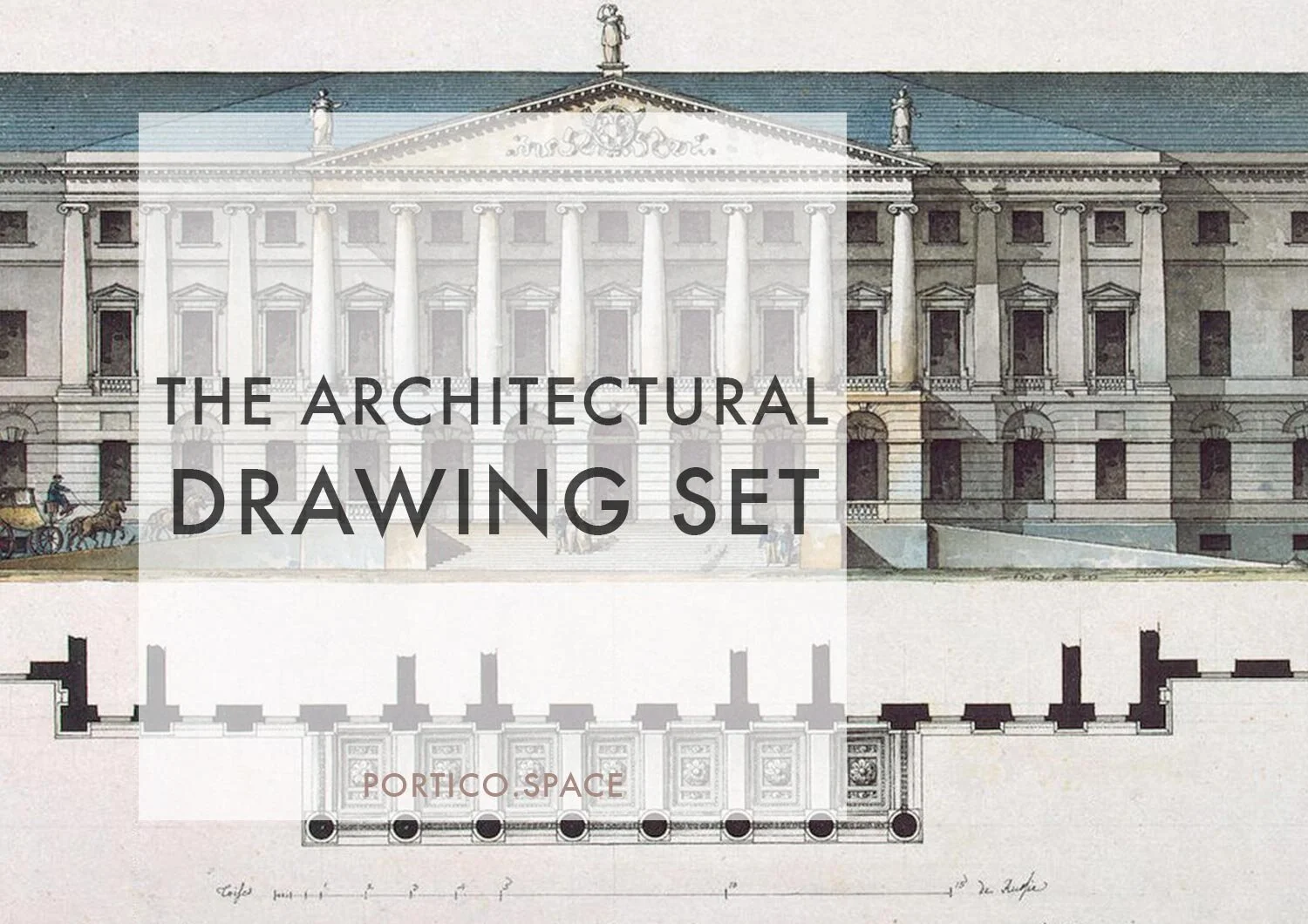
At each different project stage in the Architecture Process, we make different drawings or enhance existing ones. At concept, rough sketches and diagrams are key. As we move into Preliminary and Developed Design, the drawings are measured, scaled, and square. In Detailed Design, in preparation for construction, tendering and Building Consent, drawings take on incredible density, including a high level of information and rigour.

Architecture, like other occupations including Law, Engineering, and Medicine, is a profession: an occupation requiring special education, skills, and holding public trust and respect.
Most professions, including architecture, take their public role very seriously. In order to maintain public trust, and to protect public from those who may not have the required skills, ethics or experiences, in specific situations the government decides to regulate occupations and professions.
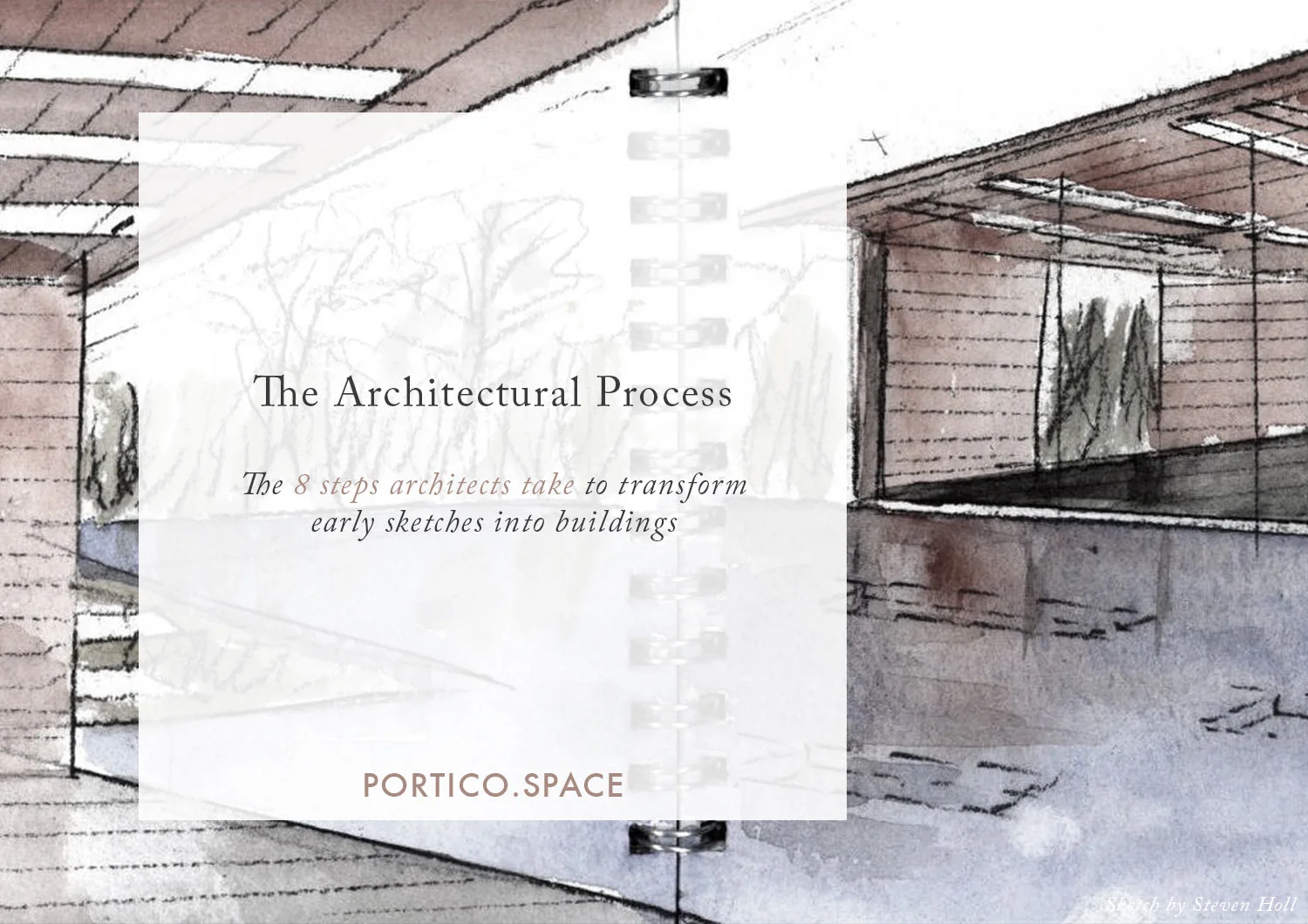
How do architects manage the transition of a project from a rough and ready concept sketch to highly detailed, complex building? The Architectural Process is a framework for thinking, allowing architects to break down projects into steps, adding one layer of complexity at a time.
Got a different idea of what life looks like after study?
Let me know at sophie@portico.space
How do you get a job in architecture?
How do you get a job if you've got no previous work experience to put on your CV? How do you approach a firm? How do you find work in a new country?
It is both as hard as it seems, and much, much simpler than it seems. It takes a little courage, and perhaps also a reminder that people are making these connections every minute of every day. In this article, I am going to break down what, in my experience, are the five key ways that people get jobs in the architecture industry - from their first job and beyond.